Select Photos
Vietnam’s Path to Socialism: A Journey of Theory, Innovation, and National Identity
The quest for national independence and social progress has been the defining narrative of modern Vietnamese history. For Vietnam, the transition to socialism is not merely a theoretical choice but the inevitable outcome of its historical struggle against colonialism and feudalism. Guided by the foundational principles of Marxism-Leninism and the profound legacy of Ho Chi Minh Thought, Vietnam has charted a unique course toward socialism—one that harmonizes universal truths with specific national conditions.1. The Philosophical Foundation: Marxism-Leninism and Ho Chi Minh Thought
The ideological bedrock of the Communist Party of Vietnam (CPV) is the creative application of Marxism-Leninism. Karl Marx and Friedrich Engels provided the scientific critique of capitalism and the vision of a classless society, while V.I. Lenin offered the organizational and strategic framework for the proletariat to seize power and manage the state.
However, the CPV recognizes that these theories originated in Europe. To make them relevant to a colonial, semi-feudal, and agrarian society like Vietnam, they had to be localized. This is where Ho Chi Minh Thought becomes indispensable.
National Independence linked to Socialism: President Ho Chi Minh famously asserted, "Nothing is more precious than independence and freedom." He realized early on that for a colonized nation, national liberation must be the precursor to social liberation. In his view, socialism is the only way to ensure that independence remains sustainable and that the people truly enjoy the fruits of freedom.
The Power of the People: Ho Chi Minh emphasized that "the Revolution is the work of the masses." His approach to socialism was deeply humanistic, focusing on improving the "material and spiritual life of the people."
2. The Period of Transition: Bypassing the Capitalist Stage
A central tenet of Vietnam’s path is the concept of Quá độ lên chủ nghĩa xã hội (Transition to Socialism). Unlike the classical Marxist trajectory—which suggested that socialism would emerge from highly developed capitalist societies—Vietnam followed Lenin’s theory of the "indirect transition."
Vietnam’s transition is characterized by "bypassing the regime of capitalism." This does not mean ignoring the technological or organizational achievements of capitalism; rather, it means:
Bypassing the dominance of capitalist production relations.
Avoiding the systemic exploitation inherent in capitalist political structures.
This transition is acknowledged as a long-term, complex, and arduous process. It is a period of struggle between the "old" and the "new," requiring a series of intermediate steps to build the material and technical foundations necessary for a true socialist society.
3. The 1986 "Đổi Mới" and the Socialist-Oriented Market Economy
The most significant turning point in Vietnam’s modern history occurred at the 6th National Congress of the CPV in 1986. Facing a severe socio-economic crisis characterized by hyperinflation and shortages, the Party initiated Đổi Mới (Renovation).
The core of this renovation was the transition from a centrally planned, subsidized economy to a Socialist-Oriented Market Economy (Kinh tế thị trường định hướng xã hội chủ nghĩa).
Key Characteristics of the Model:
Multi-Sector Economy: The state recognizes and encourages multiple forms of ownership. While the state sector plays the "leading role" (acting as a tool for macro-economic regulation), the private sector is viewed as an "important internal force" for growth.
Market Mechanism with State Management: Prices and production are determined by supply and demand, but the state intervenes to correct market failures, ensure social equity, and protect the environment.
Socialist Orientation: This is what distinguishes Vietnam's model from neoliberal capitalism. The ultimate goal of economic growth is not capital accumulation for a few, but:
Poverty reduction.
Social justice.
Human development.
"We do not wait until the economy is fully developed to implement social progress and justice; nor do we 'sacrifice' social progress and justice for the sake of mere economic growth." — General Secretary Nguyen Phu Trong
4. Achievements and Challenges
Since 1986, Vietnam has transformed from one of the world's poorest nations into a dynamic, middle-income economy.
However, the path is not without obstacles. As Vietnam deeper integrates into the global economy, it faces:
The "Middle-Income Trap": The need to shift from labor-intensive industries to high-tech, innovation-driven growth.
Social Inequality: Managing the gap between urban centers and rural/mountainous areas.
Corruption: The Party has intensified its "blazing furnace" campaign to purify the apparatus and maintain the trust of the people.
5. Conclusion: A Vision for the Future
The 13th National Party Congress (2021) set an ambitious roadmap: to become a developing country with modern industry by 2030, and a developed, high-income, socialist-oriented country by 2045.
Vietnam’s path to socialism is a testament to "flexible firmness." It is firm in its goals (independence and the happiness of the people) but flexible in its methods (adapting market mechanisms and international integration). By creatively applying the Marxist-Leninist dialectic and Ho Chi Minh’s ethics, Vietnam continues to prove that socialism is not a rigid dogma, but a living, breathing process of constant improvement for the sake of humanity.
#Vietnam #PathToSocialism #TransitionToSocialism #HoChiMinhThought #Marxism #Leninism

Likes
Comment
The Socialist-Oriented Market Economy: Vietnam’s Unique Development Model
Since the 6th National Congress in 1986 (Đổi Mới), Vietnam has undergone a historic transformation, moving from a centrally planned, bureaucratic, and subsidized economy to a Socialist-Oriented Market Economy. This model is defined as a modern market economy that operates fully and synchronously according to market laws, while maintaining a socialist orientation tailored to each stage of the country's development.1. The Role of the State: Navigator and Regulator
In a socialist-oriented market economy, the State no longer intervenes directly in the daily business operations of enterprises as it did during the subsidy era. Instead, the State serves as the macro-manager.
- Creating the Environment: The State builds the legal framework, strategies, and master plans to ensure a level, transparent playing field for all economic sectors.
- Regulation and Redistribution: Utilizing taxes and fiscal policies, the State regulates income to achieve social progress and equity, ensuring that economic growth "leaves no one behind."
- Mitigating Market Failures: The State intervenes to correct "market defects" such as monopolies, environmental pollution, or economic crises, ensuring the stability of the financial and monetary systems.
2. Economic Sectors: Diversity and Equality
Vietnam defines its economy as multi-sectoral, where every sector holds a specific position and contributes to national development.
- State Economy: Plays the leading role.
- Collective and Cooperative Economy: Continually strengthened and developed.
- Private Economy: Serves as a significant driving force.
- Foreign-Invested Sector (FDI): Encouraged to facilitate access to international capital and technology.
The synergy between these sectors creates a dynamic economic ecosystem that is both highly competitive and closely interconnected.
3. The Private Sector: An Important Engine of Growth
One of the most profound shifts in the Party's theoretical thinking in recent years is the recognition of the private sector as an important driving force of the economy.
- Flexibility and Innovation: From individual business households to large conglomerates (such as Vingroup, Thaco, FPT), the private sector is sensitive to market trends and contributes actively to technological and procedural innovation.
- Job Creation: This sector absorbs the majority of the social labor force, contributing to the stability of the people's livelihood.
- Budget Contribution: The private sector's contribution to GDP has grown steadily (currently accounting for approximately 40-45% of GDP), becoming the "engine" that pulls growth in services, industry, and retail.
4. The State Economy: The Pillar of Stability and Orientation
While the private sector flourishes, Vietnam continues to affirm that the State economy plays the leading role. This is reflected in several key areas:
- Macro-Regulating Tool: State-Owned Enterprises (SOEs) focus on key sectors and strategic locations concerning national defense, security, or fields where the private sector is unwilling or unable to invest (such as energy infrastructure, telecommunications, and core banking systems).
- Resilience and Crisis Management: During crises (such as the COVID-19 pandemic or global financial instability), SOEs serve as a "cushion" to maintain the supply of essential goods, stabilize prices, and support production recovery.
- Pioneering Development: The State economy plays a pathfinding role, investing in high-tech industries or large-scale infrastructure to create the necessary foundation for other economic sectors to thrive.
Conclusion
The Socialist-Oriented Market Economy model is a harmonious combination of the "Invisible Hand" (the Market) to optimize resources and the "Visible Hand" (the State) to ensure social justice. The mutual support between the private sector (the engine) and the State economy (the pillar) creates a robust economic body, allowing Vietnam to achieve rapid growth while maintaining political stability and social welfare.
#VietnamEconomy #MarxismLeninism #VietnamDevelopment #EconomicReform #PrivateSectorGrowth #StateLedEconomy #VietnamStrategy2045 #SustainableGrowth

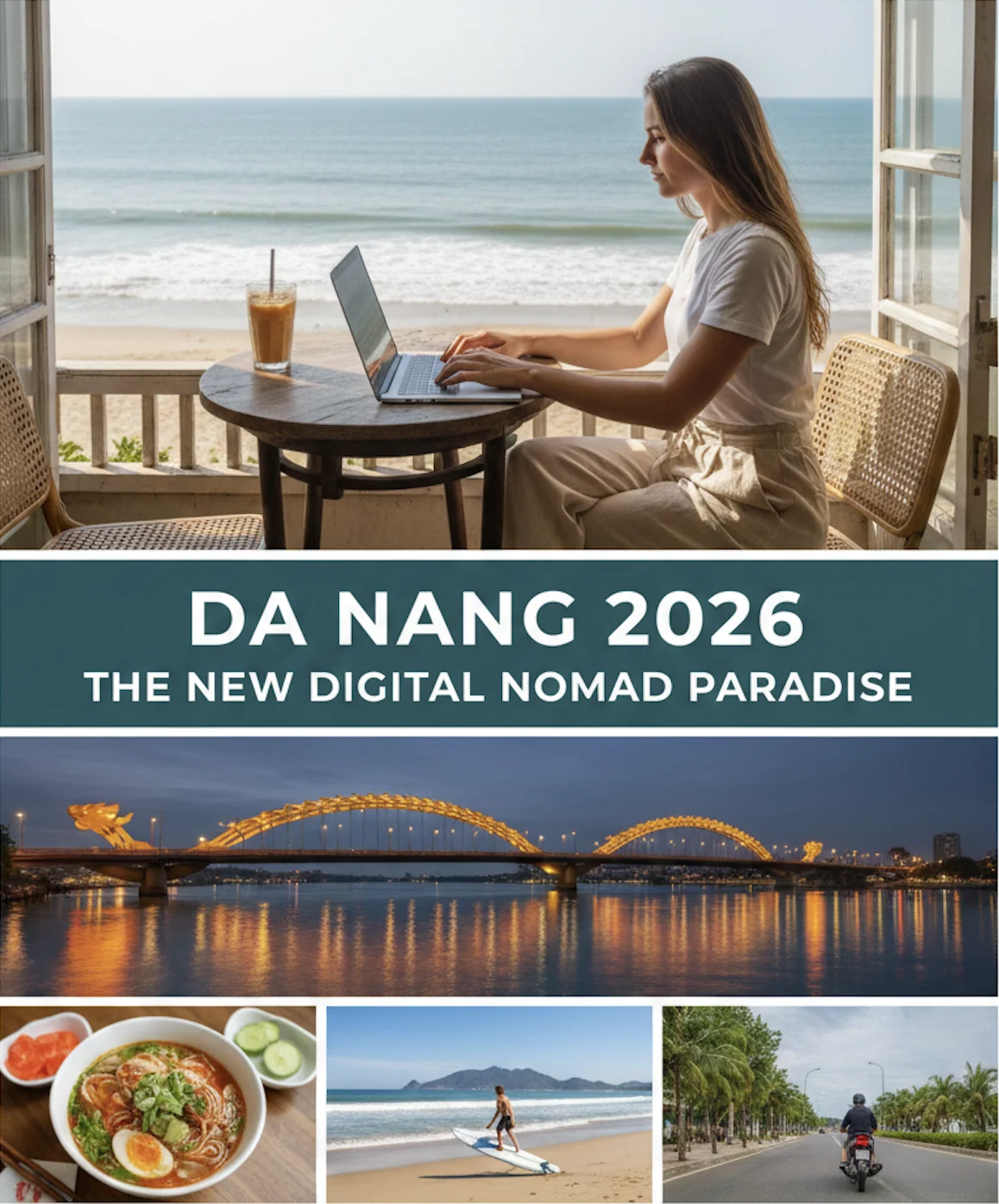
The Digital Nomad Guide to Da Nang, Vietnam: Why It’s Better Than Others in 2026
If you’ve spent any time in the digital nomad circles lately, you’ve probably heard the same complaint: "Bali is too crowded," or "Lisbon is getting too expensive." As we move through 2026, a new star has risen in Southeast Asia.Welcome to Da Nang, Vietnam.
While others struggles with over-tourism and traffic, Da Nang has quietly perfected the balance between high-speed infrastructure and laid-back beach vibes. After living here for six months, here is why I believe Da Nang is the ultimate hub for remote workers this year.
1. The "Golden" Infrastructure: Fiber Optic & Coffee Culture:
Unlike many tropical destinations where "island Wi-Fi" is a constant struggle, Da Nang feels like a tech hub wrapped in a beach towel.
- Internet Speed: Fiber optic is the standard here. Even mid-range Airbnbs consistently clock over 100 Mbps.
- Coworking Spaces: From established names like Enouvo to local gems like The Hub, the city is designed for productivity.
- Cafe Work Culture: This is where Da Nang shines. It is culturally acceptable (and encouraged) to work from cafes. Places like 43 Factory or Le Petit Café offer ergonomic chairs, plenty of outlets, and world-class Vietnamese coffee for under $2.
2. Cost of Living: Your Money Goes Further:
In 2026, inflation has hit many nomad hotspots hard. However, Da Nang remains incredibly affordable without sacrificing quality.
Expense Cost:
- Studio Apartment (Beach side): $350 - $500
- Local Meals (Daily): $150 - $200
- Scooter Rental: $50
- Coworking Membership: $80 - $120
=> Total: $630 - $870
For less than $1,000 a month, you can live a high-end lifestyle that would cost $4,000 in Los Angeles or $3,000 in Berlin.
3. The Lifestyle: From Surfboards to Synapses:
Da Nang’s layout is a digital nomad’s dream. The city is split by the Han River: one side is the bustling business district, and the other is My Khe Beach.
My typical Tuesday looks like this:
- 7:00 AM: Surfing at My Khe Beach.
- 9:00 AM: Phở breakfast for $1.50.
- 10:00 AM - 4:00 PM: Deep work at a beachfront cafe.
- 5:00 PM: A quick hike up the Marble Mountains or a sunset ride through Son Tra Peninsula.
- 7:00 PM: Networking with a global community of developers, writers, and entrepreneurs in the An Thuong expat quarter.
4. Safety & Logistics (The 2026 Update):
Safety is a top priority for solo travelers. Vietnam consistently ranks as one of the safest countries in Asia for expats.
Visa: The 2026 E-visa system is now more streamlined, allowing nomads to stay longer with fewer border runs.
Health Care: International hospitals like Vinmec provide Western-standard care at a fraction of the cost you'd find in the US or EU.
Transport: Grab (the Uber of SE Asia) is ubiquitous, cheap, and safe.
5. Da Nang: The Honest Truth:
In Da Nang, you can get from the mountains to the airport in 15 minutes. The air is cleaner, the streets are wider, and the locals are genuinely happy to see you, not just your wallet.
Final Thoughts:
If you are looking for a place where you can actually get work done, save money, and enjoy a vibrant culture without the "influencer" circus, Da Nang is your destination for 2026.
Are you planning a trip to Southeast Asia? Drop a comment below or join my "Nomad in Vietnam" newsletter for a curated list of the best hidden-gem apartments in Da Nang!
#DigitalNomad2026 #DaNangVietnam #WorkFromAnywhere #TravelVietnam #NomadLife #AffordableTravel #VisitDaNang
How to Use AI to Design a Minimalist Garden
Using Artificial Intelligence (AI) to design a Minimalist Garden is a brilliant way to blend modern technology with timeless aesthetics. This approach allows you to optimize the balance between visual beauty and practical functionality.Here is a detailed guide on how to use AI as your "digital landscape architect" to realize your minimalist sanctuary.
1. Understanding Your Three Pillars:
To get the most out of AI, you must provide it with a "brief" based on these three pillars:
- Pillar 1 (Minimalist Aesthetics): Focused on the "Less is more" philosophy. Think clean lines, neutral color palettes (gray, white, green), and natural materials like stone, concrete, and wood.
- Pillar 2 (AI Technology): Utilizing Large Language Models (like Gemini or ChatGPT) for conceptualizing and Image Generation models (like Midjourney or Adobe Firefly) for visualization.
- Pillar 3 (Lifestyle & Maintenance): A minimalist garden must be easy to care for, creating a space for relaxation and silence.
2. The AI-Driven Design Process
Step 1: Conceptualizing & Plant Selection (Language AI):
Use AI to research plants that fit your local climate while maintaining a "minimalist" look.
Sample Prompt: "I want to design a minimalist garden in [Your Location]. Suggest 5 drought-tolerant plants with strong architectural shapes (e.g., snake plants, succulents, or Japanese Maples) that are low-maintenance."
Step 2: Visualizing the Space (Image AI)
This is where AI shines. You can use tools like Midjourney or DALL-E to "see" your garden before spending a penny.
Pro Tips for Prompts:
- Keywords: Zen garden, Modern minimalism, Geometric layout, Low maintenance, Neutral color palette, High-end landscaping.
- Example: "A high-quality 3D render of a small minimalist backyard, featuring gray large-format stone pavers, a single architectural tree in a black planter, and soft ambient lighting at night, cinematic style."
Step 3: Optimizing the Layout
If you have a photo of your current yard, you can upload it to AI-powered editing tools (like Adobe Firefly’s Generative Fill) to "test" different furniture or paving options in real-time.
3. "Golden Rules" AI Will Help You Implement
When asking for AI advice, stick to these principles to ensure a true minimalist result:
- Element: Layout
+ Minimalist Principle: Use geometric shapes (squares, circles, rectangles).
+ AI Support Role: AI generates symmetrical or balanced asymmetrical layouts.
- Element: Color
+ Minimalist Principle: Limit to a maximum of 3 primary tones.
+ AI Support Role: AI suggests harmonious color palettes for plants and materials.
- Element: Focus
+ Minimalist Principle: Choose only one "hero" element (e.g., one sculpture or one feature tree).
+ AI Support Role: AI lets you swap different focal points in seconds to see what fits.
4. From AI Prompt to Reality
Once you have your ideal AI-generated design:
- Feasibility Check: Show the AI image to a local contractor to discuss soil types and drainage.
- Smart Integration: To complete the "tech ecosystem," install an automated irrigation system based on moisture sensors to satisfy Pillar 3 (Low Maintenance).
#AI #LandscapeDesign #MinimalistGardening #SustainableLandscaping #ArchitecturalPlants #GenerativeDesign

Indoor Jungle: 5 Easy-to-Care-for Tropical Plants for Busy People
In the hustle and bustle of modern life, owning a green corner at home not only purifies the air but also serves as an effective "soul healer." However, the fear of being a "plant killer" often makes many people hesitate.Don't worry! These 5 tropical plants are known as "resilient warriors" that can thrive even if you accidentally forget about them for a few weeks.
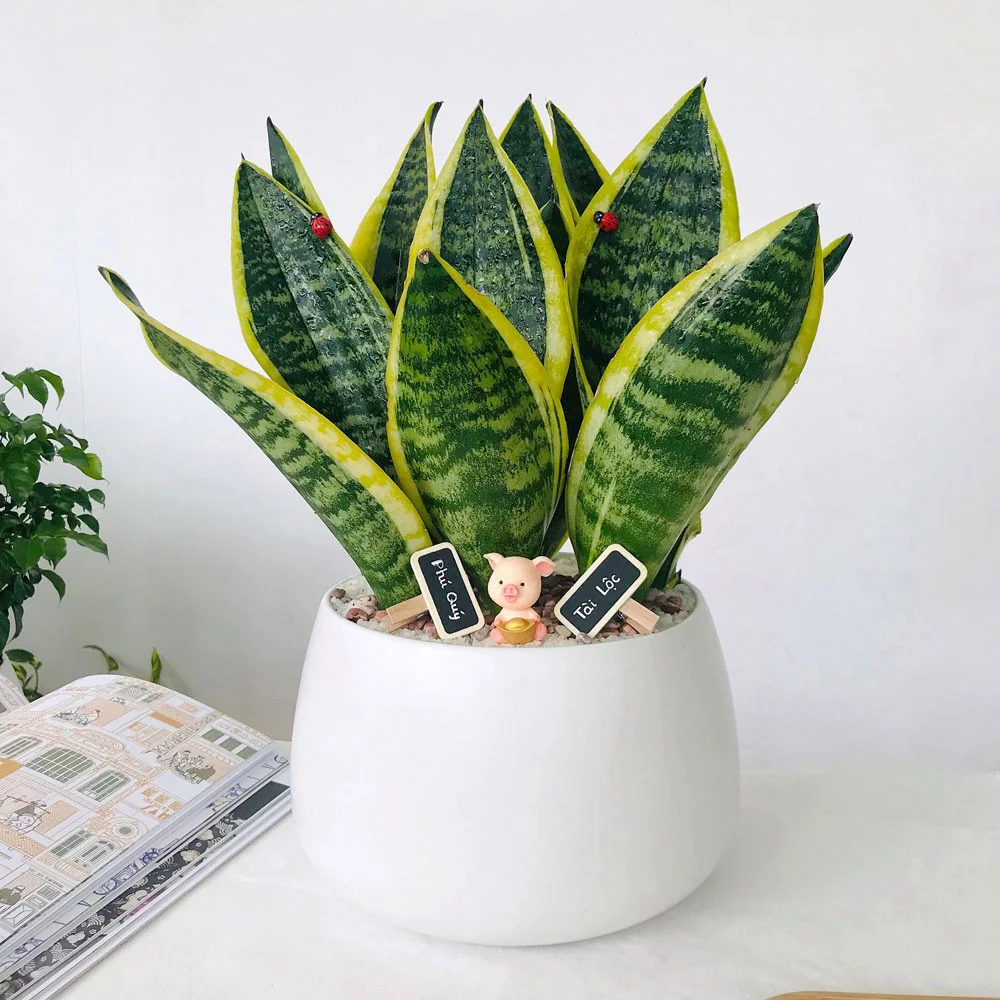
1. Snake Plant
Topping the list is undoubtedly the Snake Plant. This is arguably the most "unkillable" plant in the indoor world.
- Pros: Excellent drought tolerance and can survive in extremely low-light conditions. Notably, it releases oxygen at night, making it perfect for the bedroom.
- Care: Water only once every 2-3 weeks. The golden rule: It’s better to let the soil bone-dry than to overwater.
2. Golden Pothos
Golden Pothos is the perfect choice for creating a "jungle effect" with its soft, trailing vines.
- Pros: Fast-growing and easy to propagate in both water and soil. It helps remove indoor air toxins like formaldehyde.
- Care: Water when the topsoil feels dry. If you forget, the leaves will wilt slightly as a "reminder" and will perk up immediately after being watered.
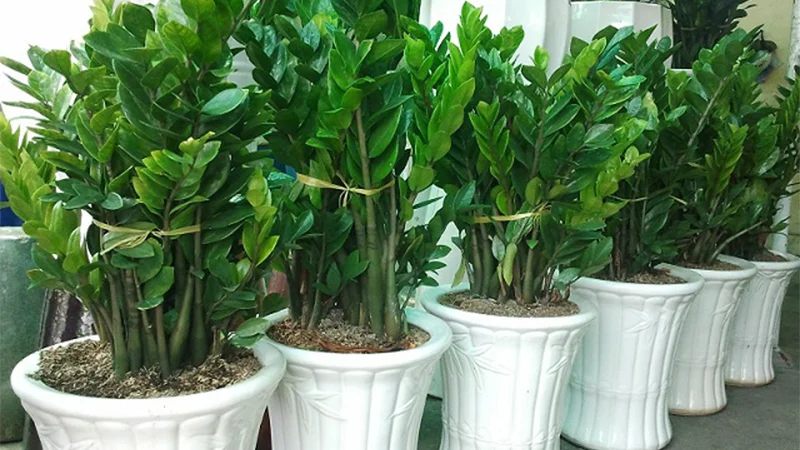
3. ZZ Plant (Zamioculcas zamiifolia)
With its thick, glossy green leaves, the ZZ Plant is not only a symbol of prosperity but also incredibly easy-going.
- Pros: Its succulent stems store water for emergencies. It maintains its polished look even in the darkest corners of an office or apartment.
- Care: Water about once a month. This is the ideal plant for those who frequently travel for work.
4. Peace Lily
If you want a touch of elegant white flowers, the Peace Lily is a top candidate.
- Pros: Top-tier air-purifying abilities (removing benzene and trichloroethylene).
- Care: It prefers slightly more moisture than the others but is a great "communicator" – when thirsty, the leaves will droop significantly and bounce back quickly after a drink.
5. Rubber Tree (Ficus Elastica)
To create a focal point with height and sophistication, choose the Rubber Tree (especially the Burgundy variety with dark foliage).
- Pros: Large, thick leaves that provide a bold tropical vibe. It is highly resistant to pests and diseases.
- Care: Place it in bright, indirect light (near a window). Just wipe the dust off the leaves occasionally to keep them shiny and optimized for photosynthesis.
Pro-tip for Busy Owners:
Don't water on a fixed schedule. Use your finger to check the soil moisture. If it’s still damp 2 inches below the surface, you don’t need to water yet.
Hopefully, this list gives you the confidence to start building your own "Indoor Jungle" without the stress!
#IndoorJungle #HouseplantClub #LowMaintenancePlants #PlantParent #EasyCarePlants #HomeDecorGreenery #GreenLiving



Sleep Hygiene: The Secret to a Restful Night and Instant Energy Recovery
Have you ever woken up feeling exhausted, even after spending 8 hours in bed? The truth is, when it comes to sleep, quality is just as important as quantity. This is where Sleep Hygiene—the "golden key" to recharging your body and protecting your long-term health—comes into play.1. What is Sleep Hygiene and Why Does It Matter?
Sleep Hygiene refers to a series of healthy sleep habits and environmental factors that help you fall asleep faster and stay asleep longer.
Maintaining good sleep hygiene offers transformative benefits:
- Boosts Memory: Your brain processes information and flushes out toxins during deep sleep.
- Strengthens Immunity: It helps your body fight off infections and illnesses.
- Stabilizes Mood: Reduces stress, anxiety, and the risk of depression.
- Weight Management: Balances Ghrelin and Leptin, the hormones that control hunger.
2. 7 Secrets of Sleep Hygiene for "Golden" Sleep
2.1. Establish a Consistent Sleep-Wake Cycle
Your body operates on an internal "biological clock" known as the Circadian Rhythm. Going to bed and waking up at the same time every day (even on weekends) keeps this clock in sync, making you feel alert during the day and sleepy at night.
2.2. Turn Your Bedroom into a "Restful Sanctuary"
Your environment dictates 50% of your sleep quality:
Temperature: The ideal setting is around 18°C - 22°C (65°F - 72°F).
Light: Use blackout curtains or an eye mask to ensure total darkness, which triggers Melatonin production.
Sound: Keep it dead silent or use "White Noise" if you are sensitive to sudden environmental sounds.
2.3. Ban Electronics Before Bed
The blue light emitted by phones, tablets, and laptops inhibits the production of Melatonin. Aim to disconnect from all screens at least 30–60 minutes before hitting the pillow.
2.4. Watch Your Diet
- Avoid Caffeine: Steer clear of coffee or strong tea after 2:00 PM.
- Limit Alcohol: While alcohol might help you fall asleep quickly, it severely disrupts your deep sleep cycles later in the night.
- Avoid Heavy Meals: A heavy dinner forces your digestive system to work overtime, causing discomfort when lying down.
2.5. Create a Soothing Bedtime Routine
Signal to your brain that it’s "time to wind down" with relaxing activities:
- Take a warm bath or soak your feet in warm water.
- Read a physical book (avoid E-readers).
- Practice light stretching, deep breathing, or meditation.
2.6. Be Smart About Napping
A short power nap (20–30 minutes) can boost alertness. However, napping for too long or sleeping late in the afternoon can cause insomnia at night.
2.7. Only Go to Bed When Truly Tired
If you haven’t fallen asleep after 20 minutes, get out of bed. Go to another room, read under dim light, or listen to soft music until you feel sleepy. This trains your brain to associate the bed with "sleep" rather than "anxiety."
3. Conclusion: Start Tonight!
Sleep Hygiene is not a rigid set of rules; it is a lifestyle. You don’t have to implement all seven tips at once. Start by fixing your wake-up time and putting your phone away earlier.
Expert Tip: If you have optimized your sleep hygiene but still suffer from chronic insomnia, consult a healthcare professional to rule out underlying medical conditions.
#SleepHygiene #SleepHygieneTips #GetBetterSleep #InsomniaRemedies #EnergyRecovery #HealthySleepHabits .

Stories
-
Creat Your Story
time to story
-

Anna Mull
1 hour ago
-

Ira Membrit
4 hour ago
-

Bob Frapples
9 hour ago
Events
-

Web Workshop
1 hour ago
-

Fun Events and Festivals
1 hour ago
Upcoming Birthday
-

Anna Sthesia
Today
-

Paul Molive
Tomorrow